

Preguntas frecuentes sobre el brillo labial
¿CUÁLES SON LOS BENEFICIOS DE USAR BRILLO LABIAL?
Los beneficios de usar brillo labial son muchos, entre ellos, hidratación, un acabado brillante, volumen y más. El brillo labial, ya que aporta un aspecto de alto brillo, tiene el poder de hacer que los labios parezcan más voluminosos. Muchas fórmulas de brillo labial también incluyen ingredientes voluminizadores que le darán a la boca algo de volumen temporal. Mientras que los labiales mate y los tradicionales a veces pueden resecar, el brillo labial garantiza que los labios estén humectados, manteniéndolos con el mejor aspecto posible.
¿CUÁLES SON LOS DIFERENTES TIPOS DE BRILLOS LABIALES?
Además de los diferentes acabados de brillo labial, también hay diferentes tipos, incluidos los regulares, los voluminizadores y los pigmentados, y algunos incluso actúan como tinta. Si solo deseas un acabado brillante, opta por un brillo tradicional y transparente, pero para dar volumen, busca uno que prometa unos labios más llenos. En cuanto a los brillos pigmentados, encuentra el tono que más te favorezca y combínalo con un labial o delineador a juego para provocar el mayor impacto.
¿MAYBELLINE OFRECE HERRAMIENTAS DE PROBADOR VIRTUAL PARA BRILLOS LABIALES?
¿CÓMO FUNCIONA EL BRILLO LABIAL VOLUMINIZADOR?
¿QUÉ ACABADOS ESTÁN DISPONIBLES EN LOS PRODUCTOS DE BRILLO LABIAL DE MAYBELLINE?
El brillo labial está disponible en varios acabados diferentes, incluyendo alto brillo, brillante y reluciente. Dentro de estas categorías, también hay algunos brillos labiales que están más pigmentados que otros. Un acabado de alto brillo queda precioso sobre un labial o solo para un toque editorial, mientras que un acabado reluciente puede ser más juvenil y divertido.
¿QUÉ PRODUCTOS PARA LABIOS COMBINAN BIEN CON EL BRILLO LABIAL?
¿CUÁNTO DURA EL BRILLO LABIAL?
¿CÓMO PUEDO ENCONTRAR EL MEJOR BRILLO LABIAL PARA MI TONO DE PIEL?
¿CUÁNDO DEBO USAR BRILLO LABIAL?
¿CÓMO PUEDO APLICAR EL BRILLO LABIAL PARA CONSEGUIR UN ASPECTO MÁS VOLUMINOSO?
¿PUEDO RECICLAR EL ENVASE DEL BRILLO LABIAL DE MAYBELLINE?
¿POR QUÉ USAR BRILLO LABIAL?
¿EL BRILLO LABIAL ES BUENO PARA TUS LABIOS?
¿CUÁL ES LA DIFERENCIA ENTRE BRILLO LABIAL Y LABIAL LÍQUIDO?
¿CUÁL ES LA DIFERENCIA ENTRE BRILLO LABIAL Y BÁLSAMO LABIAL?
¿CÓMO SE APLICA EL BRILLO LABIAL?
¿QUÉ ES EL BRILLO LABIAL?
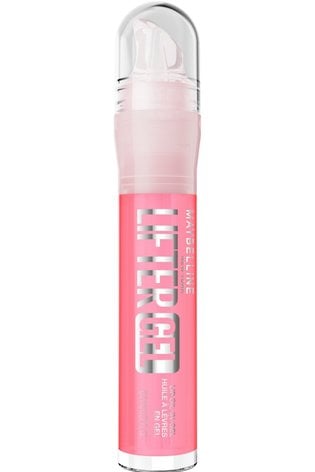
El brillo labial es una de las categorías de maquillaje más vendidas en el mundo, y ha dado lugar a un millón de variaciones. Con color, con volumen, de larga duración, con sabor, con brillo... la lista continúa. Por regla general, cuanto más espeso y brillante sea el brillo de labios, más “pegajoso” será. Las fórmulas más suaves, más parecidas a un bálsamo, dan un brillo más natural, pero también desaparecen más fácilmente. El brillo labial es como el compañero perfecto del labial, ya que añade un toque extra de brillo a los labios. Los brillos labiales con color también aportan un toque de color a los labios, aunque no tanto como un labial, y se usan igual de bien encima del labial o solos. Nos encanta el brillo labial combinado con delineador de labios para lograr un look sutil y relajado de modelo de los años 90.
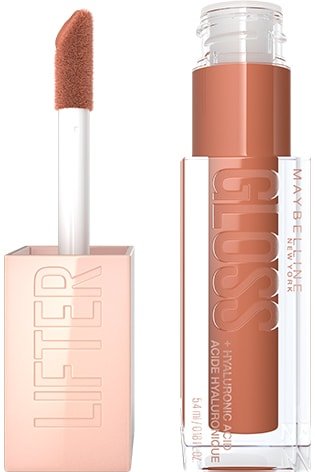
Las últimas fórmulas están elaboradas con beneficios para el cuidado de la piel para nutrir e hidratar los labios. Nuestro maquillaje de labios Lifter Lip Gloss tono Honey contiene ácido hialurónico que suaviza visiblemente los labios y realza su contorno para conseguir unos labios más carnosos y voluminosos, en los tonos marrones cálidos más lujosos.
¿CUÁL ES LA DIFERENCIA ENTRE BRILLO LABIAL Y ACEITE PARA LABIOS?
La diferencia entre el brillo labial y el aceite para labios es que el primero tiende a ser un poco más espeso y a tener un acabado más brillante y resplandeciente. El aceite para labios tiende a ser más ligero, nutritivo y puede tener un brillo más sutil. El brillo labial es ideal para salidas nocturnas y ocasiones especiales, especialmente cuando quieres llamar la atención sobre el aspecto de tus labios con su acabado altamente reflectante, mientras que el aceite para labios requiere menos mantenimiento y se puede usar como un producto de tratamiento diario, pero no te equivocarás usando brillo o aceite para labios cuando quieras.
